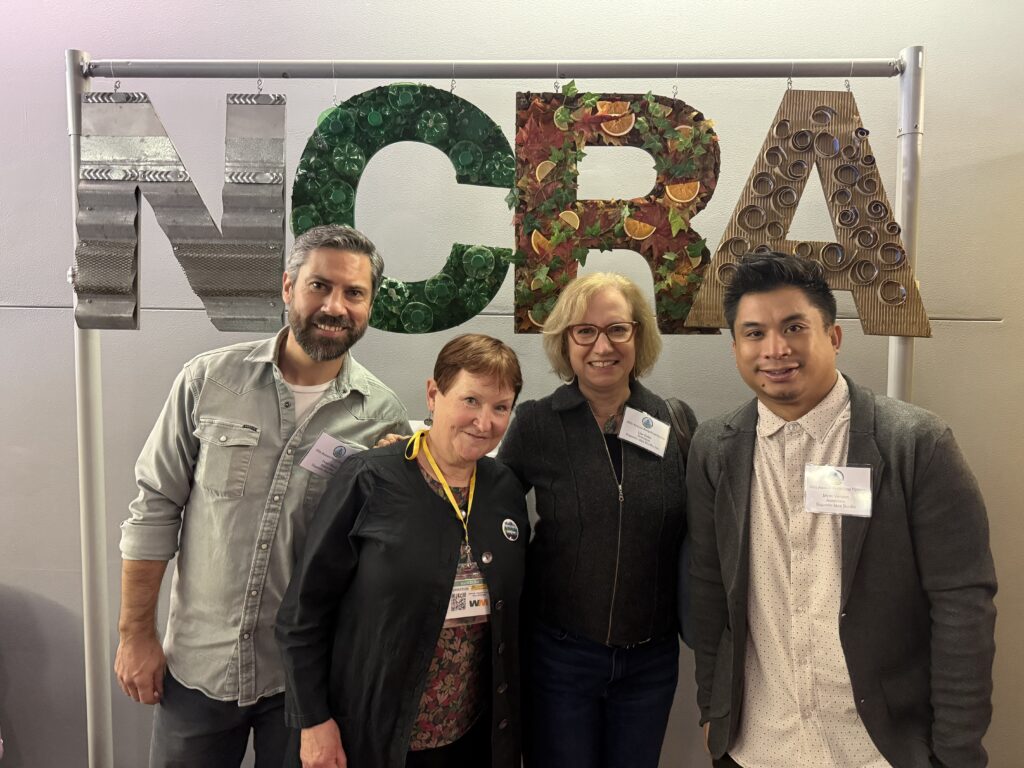
It can be difficult to find ‘good news’ these days, particularly when it comes to environmental issues. But we can always count on Northern California Recycling Coalition (NCRA)’s annual spring Recycling Update to provide a glimpse of some important work happening in the Bay Area and beyond. Four members of the Gigantic team (Peter, Nancy, Lisa and Myer, pictured above) share their impressions of that very busy day:
Peter:
One particularly energizing session was delivered by Tony Hackett with Californians Against Waste. Tony delivered sobering statistics about the challenges with disposing of the various components of vapes. Before this, I had only thought about the personal health impacts of vaping; kudos to Tony for a great presentation that illuminated the damaging environmental health impacts of rising vape usage in California and around the world.
After lunch, the Banana Slug String Band kept the energy high in the room – an amazing performing group of outdoor educators that have been raising awareness with kids and adults alike for over 40 years!
For many, the Bay Area is synonymous with ‘tech’ – but what’s not often discussed is inequities in access to these tools. Ulises Zatarain with Tech Exchange presented on this divide and what the Bay Area Tech Exchange can divert e-waste and simultaneously empower communities with access to technology.
Nancy:
I was heartened by the opening presentation by Caitlin Steele, SFSU’s Director of Sustainability and Energy. The University has a longstanding “sustainability literacy” requirement, which recently morphed into a climate justice requirement…that’s some excellent preparation for any career! I was also inspired by the contributions of two young entrepreneurs: one who started a (sport) shoe recycling program at UC Santa Barbara and another who started a “radically sustainable” business, making wallets out of used skateboard parts. It all has to come full circle!
Myer:
I particularly enjoyed the presentation by Clementina Martinez-Masarweh titled ‘Mend the Future: Building Climate Literacy Through Reuse, Repair, and Policy Action.’ The scale of waste in the fast fashion industry was staggering; it was mind-blowing to learn that producing a single t-shirt requires 2,700 liters of water and that even if we stopped production today, there is enough clothing already in existence to last seven generations!
This theme carried over into the SCRAP SF presentation, which showcased an after-school program for middle and high school students. By teaching students to rework existing garments and sew excess fabrics, the program empowers them to make environmentally conscious decisions. As the Communications Lead Laki Rajan noted, when students rework their garments, they develop a deeper, more meaningful relationship with their clothes. I believe this is a powerful way to inspire long-term stewardship. Instead of viewing the garment as temporary, we’re teaching the next generation to value items they can repurpose and reuse in many different fashions- pun intended.
Lisa:
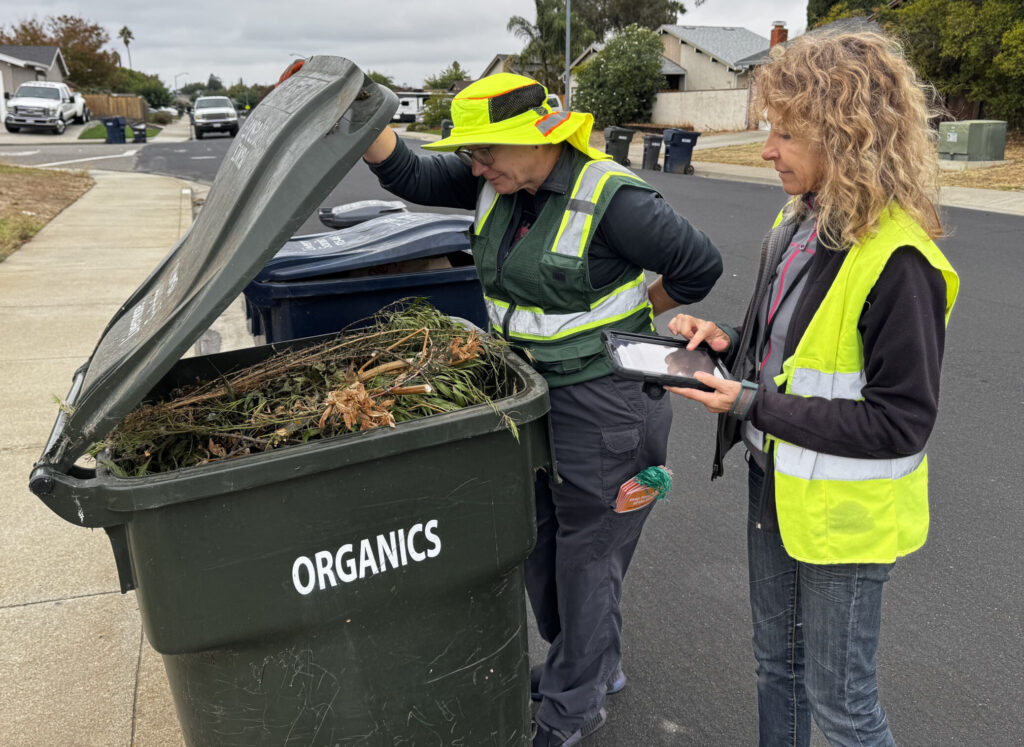
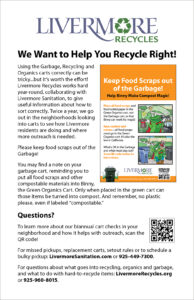
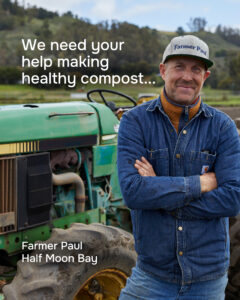
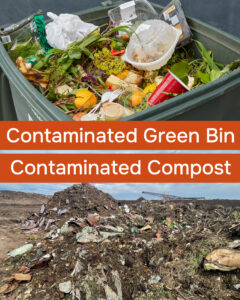
All of the presentations were informative, and I was struck by how our profession benefits from so many different types of expertise – there’s truly a place for everyone. I enjoyed the wonky data on PFAS and their impact on textile recycling (is there any product those forever chemicals AREN’T in?) by Claudia Richardson. Like Myer, I also appreciated the insights shared by Clementina Martinez Masarweh, who showed us how mending is part of Mexican culture, done with pride and artistry, becoming a fashion statement while extending the lifespan of fabrics in response to California’s SB 707 Textile Recovery Act. We were also happy to see the San Mateo Compost Improvement campaign featured and appreciate all the feedback and support for the work!
# # #
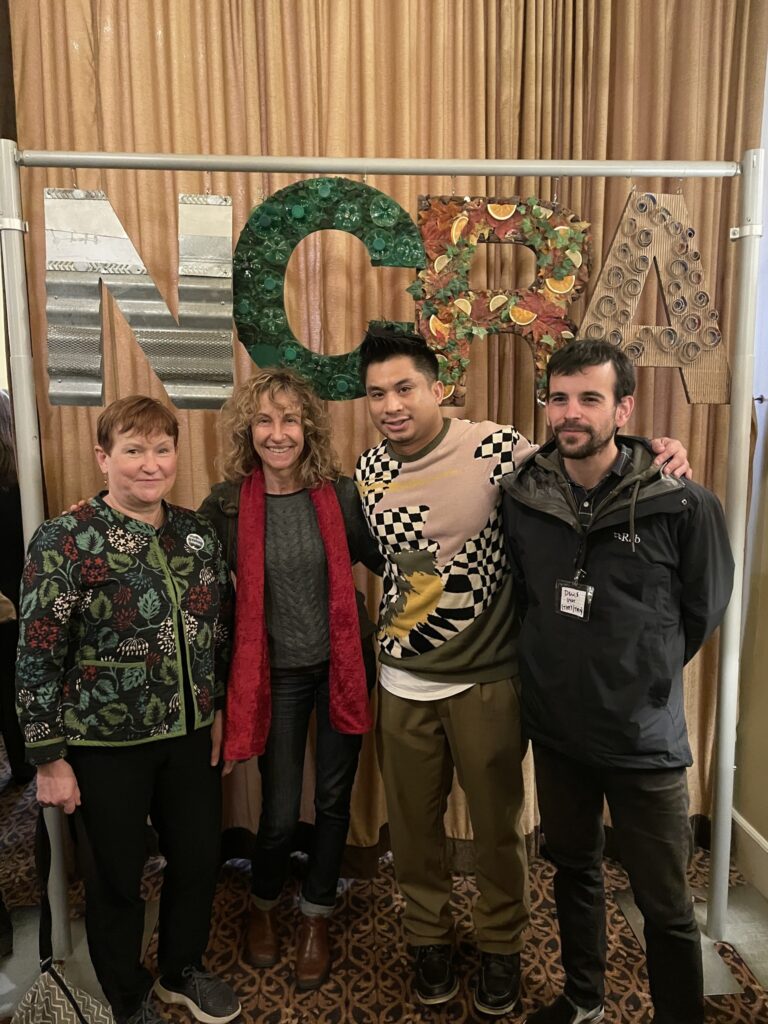
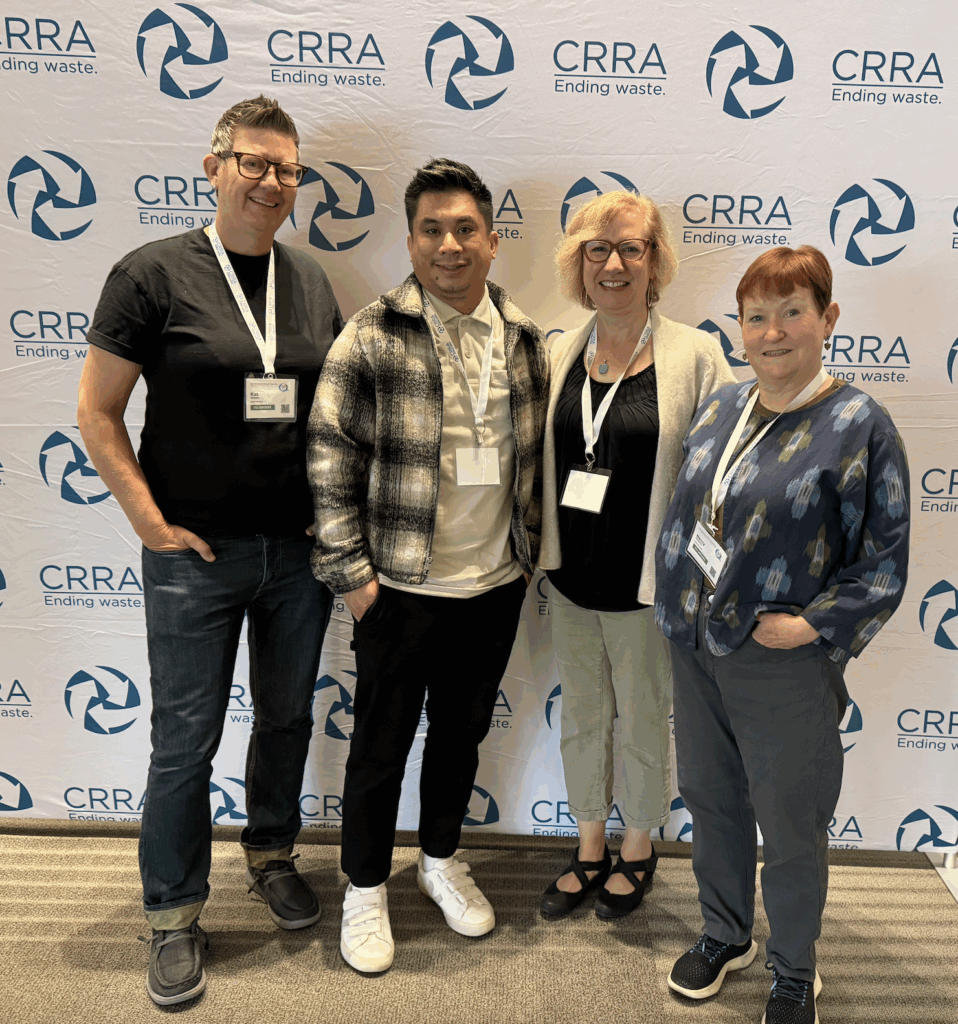 As we have every year for decades (!), members of the Gigantic team attended CRRA 2025, the premier conference for zero waste and resource recovery professionals in California. Each GIS attendee had different highlights and takeaways, but as usual, we brought home information and inspiration to help our work.
 Gigantic Idea Studio developed a scope of work that included as much of the community-based social marketing (CBSM) process as time and budget would allow:
 Partnering with
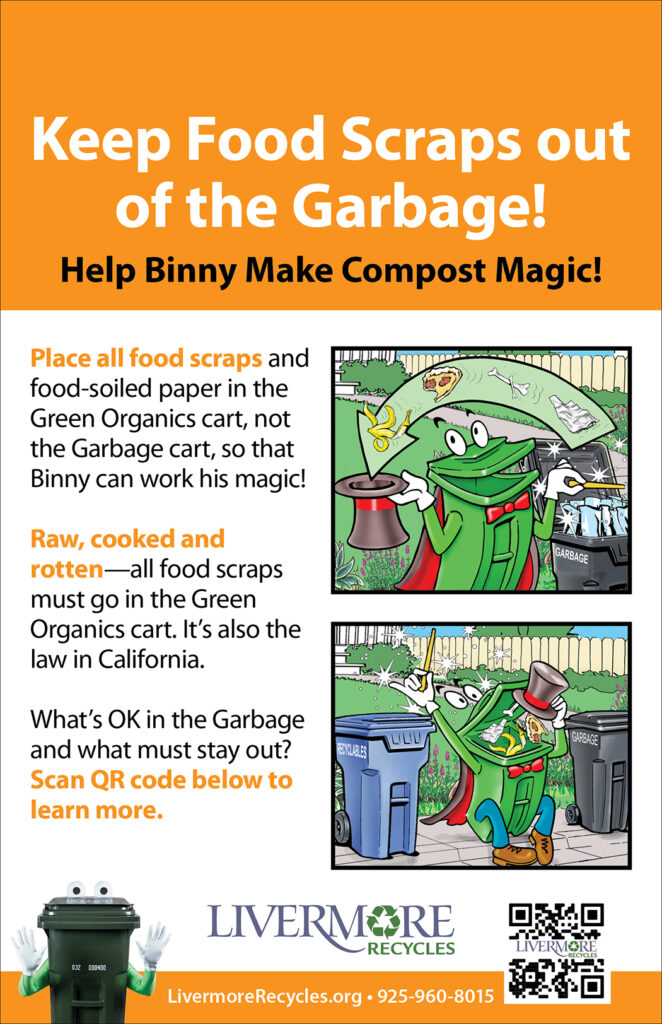
  Instructional messaging: “Keep All Plastic Out of the Green Bin” and “Food In/Plastic Out”.